In an era where the safety of infant products is increasingly valued, a liquid silicone rubber material certified by new national standards is becoming the core material for pacifiers, baby bottles, and other products, guarding every moment of babies’ growth with professional quality.
Compliance with new national standards is the material’s "core qualification." It strictly adheres to the GB38995-2020 standard for infant products and undergoes multiple tests to ensure safety and harmlessness. This means finished pacifiers will not release harmful substances during use and can remain stable even after high-temperature disinfection, addressing parents’ safety concerns about "items that enter babies’ mouths." Its highly transparent texture enhances product quality and allows parents to check cleanliness at any time, making daily use more reassuring.
Performance design fully considers infant usage scenarios. The material has moderate hardness, being soft and elastic, providing a comfortable touch when babies bite, thus protecting their delicate gums. At the same time, it boasts exceptional toughness: with a tensile strength of 7.5MPa and a maximum elongation rate of 900%, it is not easily damaged even when babies pull hard, avoiding the risk of small fragments falling off. Its tear resistance reaches 22KN/m, enabling it to withstand long-term frequent use, making pacifiers and other products more durable and reducing replacement frequency.
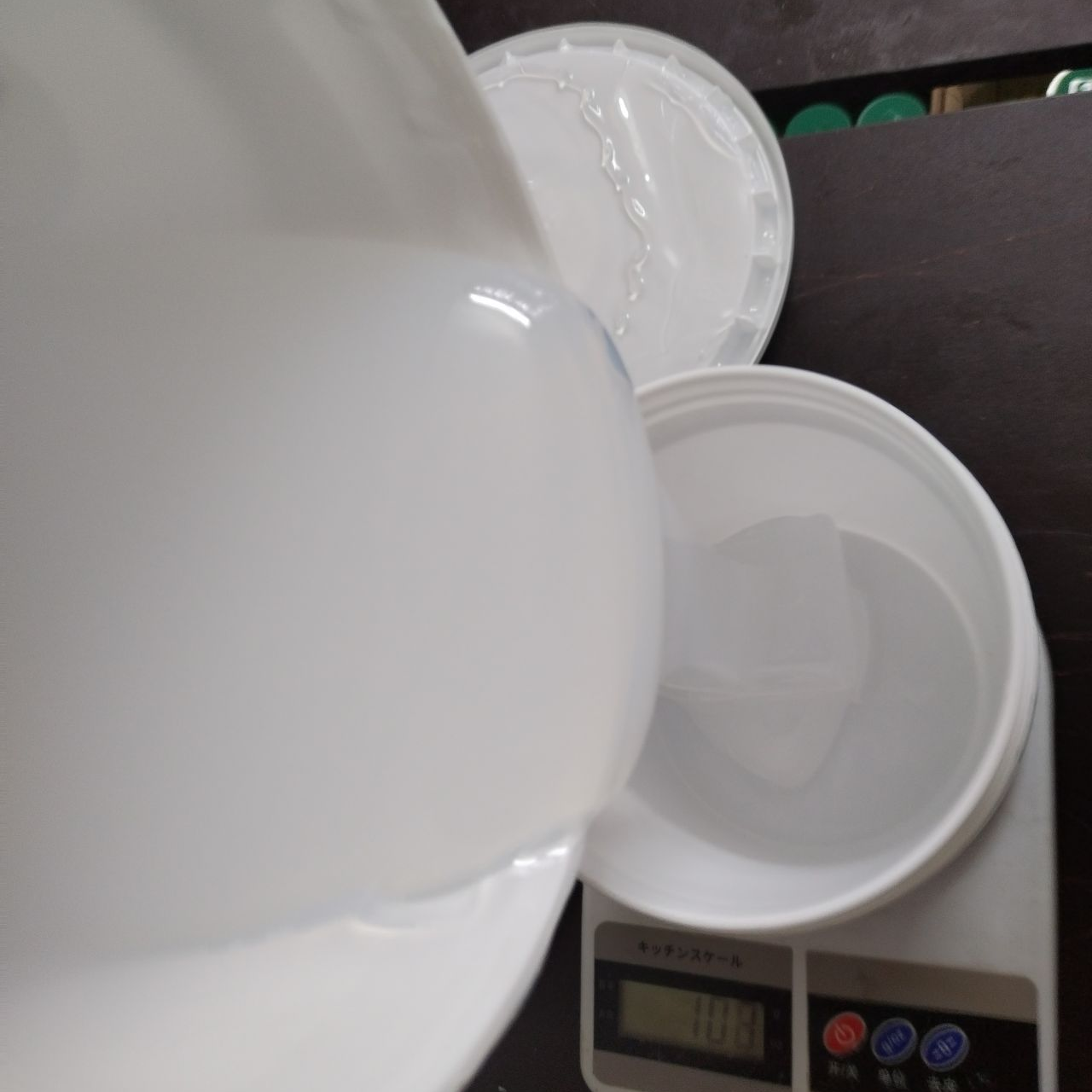
It is also easy to use. The 1:1 mixing ratio of A and B two-component system is simple to operate, and mixing components from the same batch ensures stable performance. Thorough stirring before use can solve the problem of storage sedimentation, ensuring uniform material fluidity, which is suitable for the production of infant products with complex shapes. The characteristic of rapid curing at 130°C can improve production efficiency, meeting the large market demand for infant products.
Storage and management are equally hassle-free. Unopened, it can be stored for 12 months at temperatures below 23°C, with packaging labels clearly indicating the best use date. Even after the expiration date, it can still be used if it passes performance testing, reducing material waste. In addition to pacifiers, this material is also suitable for producing other infant products such as baby bottles, building a safety barrier for babies with professional quality, making parents more confident in their purchases and babies more comfortable in use.