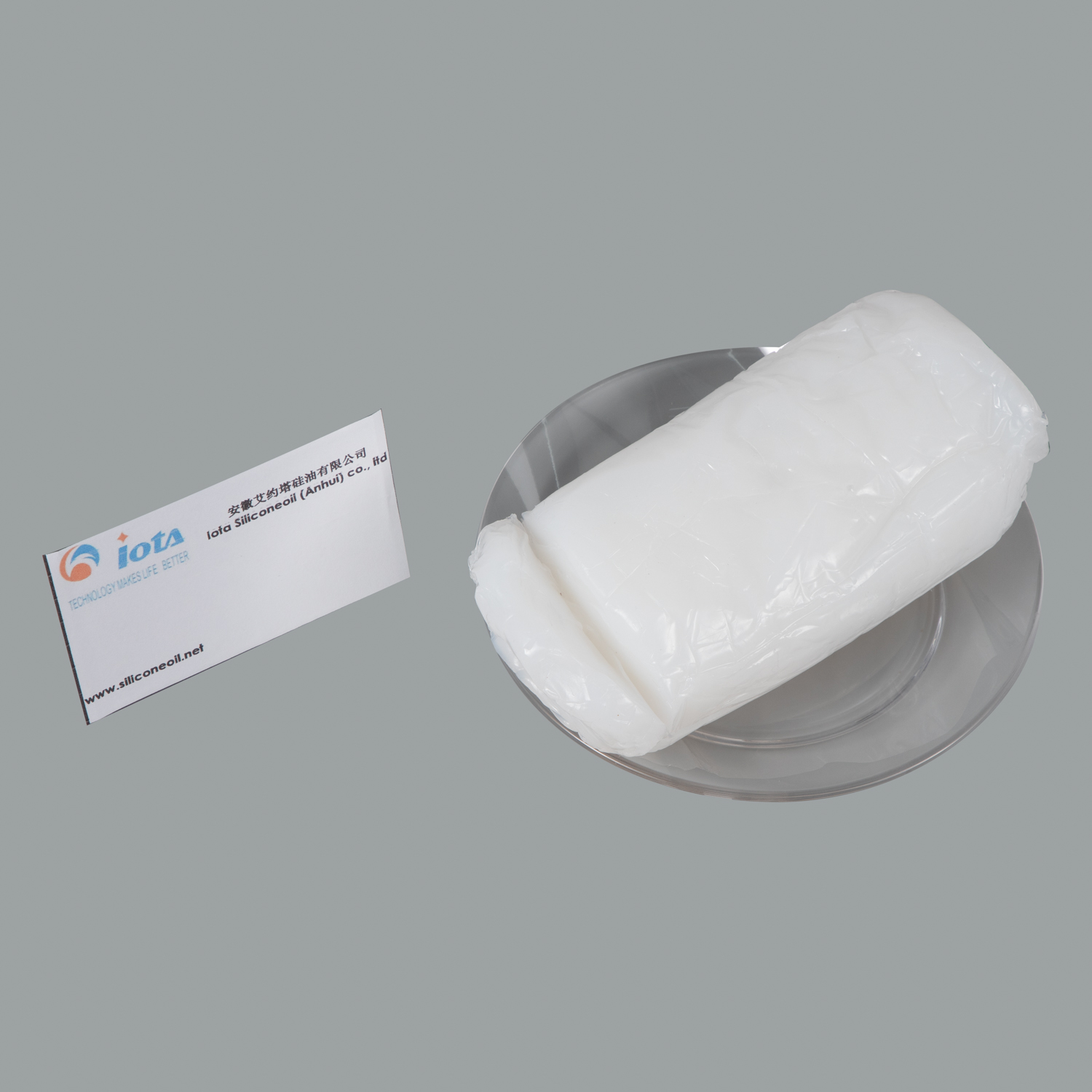
You may not have heard of "high molecular weight hydroxyl-terminated raw rubber (IOTA 107GUM)", but many useful products in daily life rely on it—insulating sealants in electronic devices, soft wool sweaters you wear, and durable rubber rollers in cars all depend on it. This material, which can act as both an "insulation guard" and a "texture regulator", has made production easier for multiple industries with its strength.
Its "ease of use" first lies in its stable performance:
- As a colorless and transparent semi-solid, its purity is as high as over 99%, so no impurities are introduced during processing. For example, when making electronic sealants, there is no need to worry about impurities causing insulation failure.
- With a "high molecular weight" of 400,000 to 1,000,000, it is like having an "elastic skeleton"—it has sufficient strength while being able to bend flexibly. Rubber products made from it are not easily broken even after repeated stretching.
- Its volatile content is less than 3%. Even when used in high-temperature environments such as near car engines, it will not become brittle or lose effectiveness due to volatilization, allowing the finished product to last longer.
In different industries, it can also "transform" into different roles:
- In the electronic field: It is a reliable "insulation guard". Relying on its excellent electrical insulation, after being made into potting and sealing materials, it can be injected into the gaps of electronic components, acting like a "waterproof and insulating film" to isolate moisture and prevent component short circuits. At the same time, it can resist high temperatures and cushion vibrations. For example, outdoor radio equipment can work stably with its protection even in rainy or bumpy conditions.
- In the textile industry: It becomes a "texture magician". As a smoothing agent for wool and cashmere, it can penetrate into the gaps of wool fibers, making the originally somewhat rough fibers smooth and soft, with a delicate and non-irritating touch. Moreover, it does not affect the breathability and warmth retention of the fabric, taking the texture of wool sweaters and cashmere scarves to a higher level.
- In the automotive and machinery industries: It is a durable "rubber raw material". When used to make rubber rollers, its wear resistance and elasticity ensure that the rollers are not easily worn or deformed even after long-term operation, reducing the trouble of equipment maintenance.
- In the construction industry: It is used as a joint sealing material, which can tightly seal the gaps in walls, doors, and windows. It is not only waterproof but also resistant to aging caused by wind, sun, and rain, keeping the building gaps sealed for a long time without frequent repairs.
Even when making two-component silicone rubber molds, it can act as a "demolding assistant"—allowing precision molds to be easily separated from the raw material, ensuring that the fine patterns on the molds are clear and complete. It is especially suitable for making high-precision stamping materials.
Whether in the electronic field that requires protective performance or the textile industry that pursues comfortable texture, this "versatile raw rubber" can be perfectly adapted to, helping various industries avoid detours in production, making the process easier and more efficient.