As an excellent modified material, terminal phenolic group-modified silicone oil (IOTA 28723/28724/28725/28729) provides strong support for processing and production in multiple fields with its stable properties and wide adaptability.
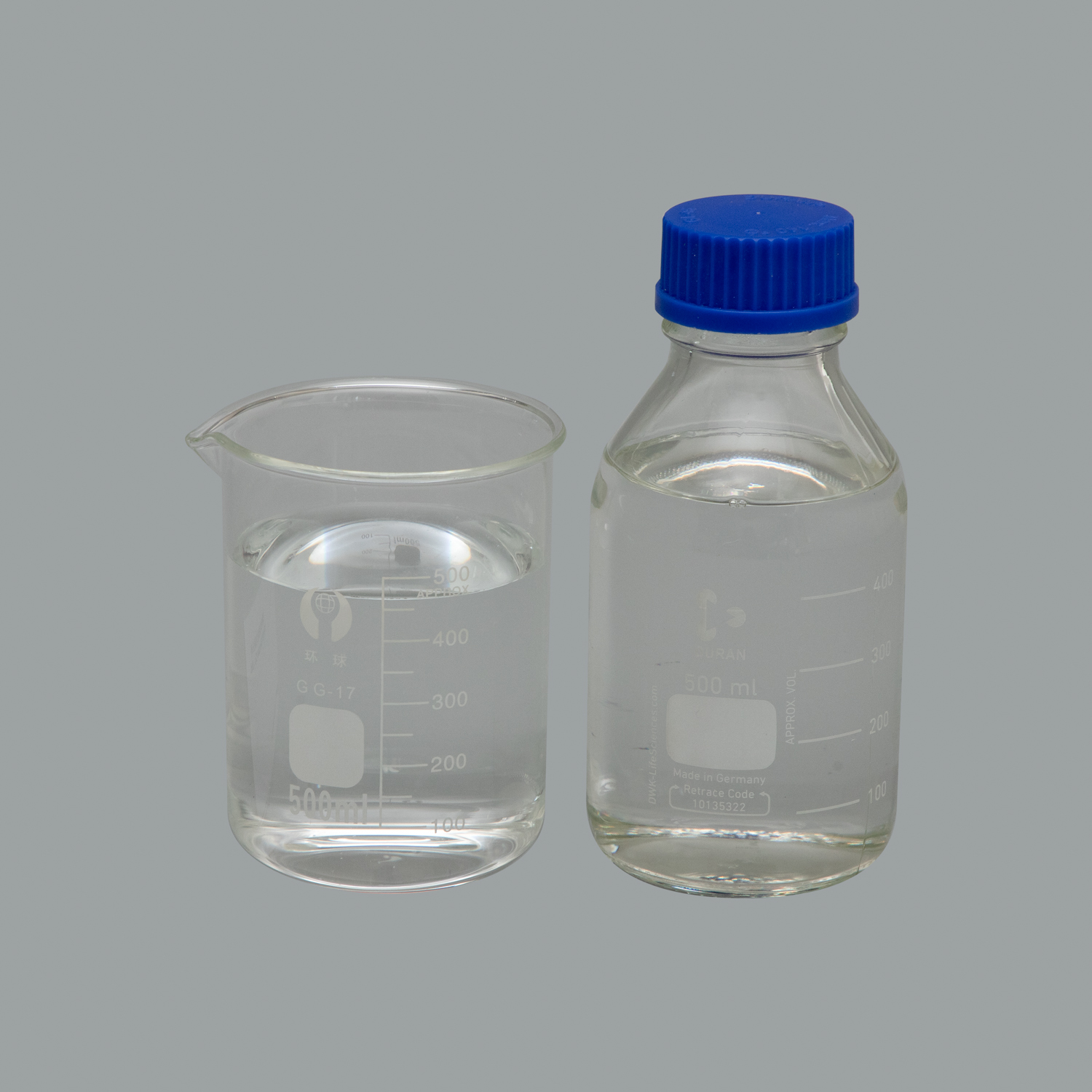
This product excels in basic performance. It appears as a colorless to light reddish-brown transparent oily substance with a uniform form, free of precipitates or flocs, making it easy to mix with various resins and additives. At 25℃, its density is controlled within the range of 0.970-0.990g/cm³, which has a high matching degree with the density of common processing materials, facilitating the control of proportions during batching. Its refractive index remains between 1.406-1.430, which will not have a negative impact on the light transmittance of transparent finished products. In terms of viscosity, the four models cover the range of 60-230mm²/s, so suitable models can be found whether for coating processes that require rapid flow or mixing processes that require higher viscosity. Moreover, the product has a low volatile content of ≤1.0%, resulting in almost no loss or impurities during high-temperature processing. The chromaticity index is strictly controlled; except for IOTA 28723 (≤100Pt-Co), the other models are all ≤50Pt-Co, which can ensure the appearance purity of finished products.
Its core competitiveness stems from the phenolic groups in its molecular structure. Phenolic groups act like "performance links": on one hand, they have high reactivity and can tightly combine with various resins such as polycarbonate, polyester, and polyurethane to achieve efficient modification; on the other hand, the heat resistance and anti-aging properties inherent in phenolic groups can comprehensively improve the performance of modified resins. The modified resins not only have better flexibility and enhanced impact resistance, but also are less likely to deform or age in high-temperature environments. At the same time, they can also improve flame retardancy, making the products more advantageous in terms of safety and durability.
In practical applications, it has a wide range of "uses". In polycarbonate processing, it can specifically improve problems such as brittleness and poor heat resistance; when used in the production of resins like polyester and polyurethane, it can optimize the overall performance of materials; in addition, it can also be used as a raw material to prepare lubricating oils to reduce friction during mechanical operation, or as a release agent to facilitate the smooth demolding of plastic and resin finished products, thereby improving production efficiency and product quality.
In terms of packaging specifications, there are three options: 20KG, 200KG, and 1000KG, which meet different needs from small-batch R&D to large-scale production. The storage conditions are lenient; it can be stored in a sealed state at room temperature, and the 24-month validity period allows enterprises to avoid frequent purchases, effectively reducing inventory costs and risks.