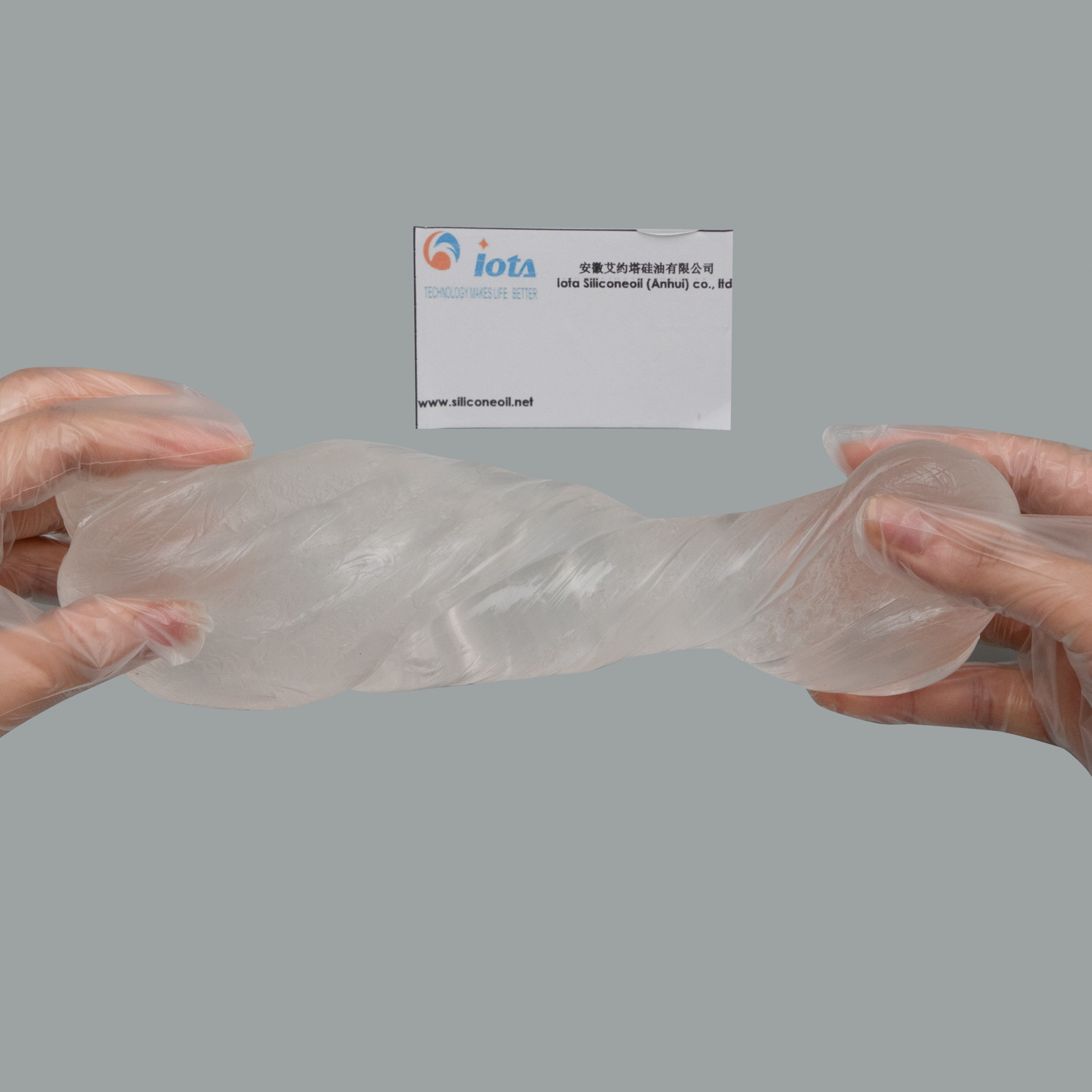
In fields like aerospace and electronics that need to cope with extreme environments, material performance often determines the survival of equipment—brittleness and cracking at low temperatures, as well as melting at high temperatures, are all fatal risks. However, the IOTA120 methylphenylvinyl silicone rubber, with its dual advantages of "resistance to high and low temperatures + customizable performance on demand", can function stably in both subzero cold and high-temperature burning, making it a "reliable mainstay" in extreme environments.
Its core "black technology" lies in the flexible adjustment of phenyl content, which is like installing a "function knob" on the material: with low phenyl content, its cold resistance is maximized—it can maintain elasticity without brittling even in extremely cold environments, making it particularly suitable for outdoor equipment in frigid northern regions and seals for low-temperature instruments; with medium to high phenyl content, its ablation resistance stands out—it is not easily damaged when exposed to high-temperature burning, and can be used for protective components in high-temperature scenarios such as aerospace vehicles and industrial furnaces; with high phenyl content, it even unlocks radiation resistance capabilities, allowing safe use in nuclear industry and medical radiation equipment.
Beyond these targeted advantages, its basic performance is also solid. It has a pure colorless appearance, so products made from it will not obscure the original color of the substrate, making it suitable for scenarios with appearance requirements; its specific gravity ranges from 0.99 to 1.05, with a lightweight texture that does not add excessive weight to equipment; its volatile content is ≤2% (at 150℃ for 3 hours), so it will not easily release small-molecule substances during use, ensuring environmental friendliness while maintaining stable performance; its molecular weight reaches 400,000 to 800,000, with a stable molecular structure, resulting in products with high strength and strong durability.
As a base rubber for high-temperature vulcanized silicone rubber, it can be widely used in the production of products for harsh environments. For example, it is used to make sealing components for aerospace vehicles to cope with extreme temperature differences and radiation in space; it is used to produce ablation-resistant coatings for industrial furnaces to protect equipment from high-temperature damage; and it is used to make protective covers for electronic components in low-temperature environments to ensure the components work normally in frigid conditions.
It is also convenient to store and use: unopened, it can be stored for 1 year at temperatures below 40℃, and can still be used if it passes inspection after expiration. This silicone rubber, which is freeze-resistant, fireproof, and customizable, undoubtedly provides a new option for material selection in extreme environments, allowing equipment to "work with peace of mind" even in harsh conditions.