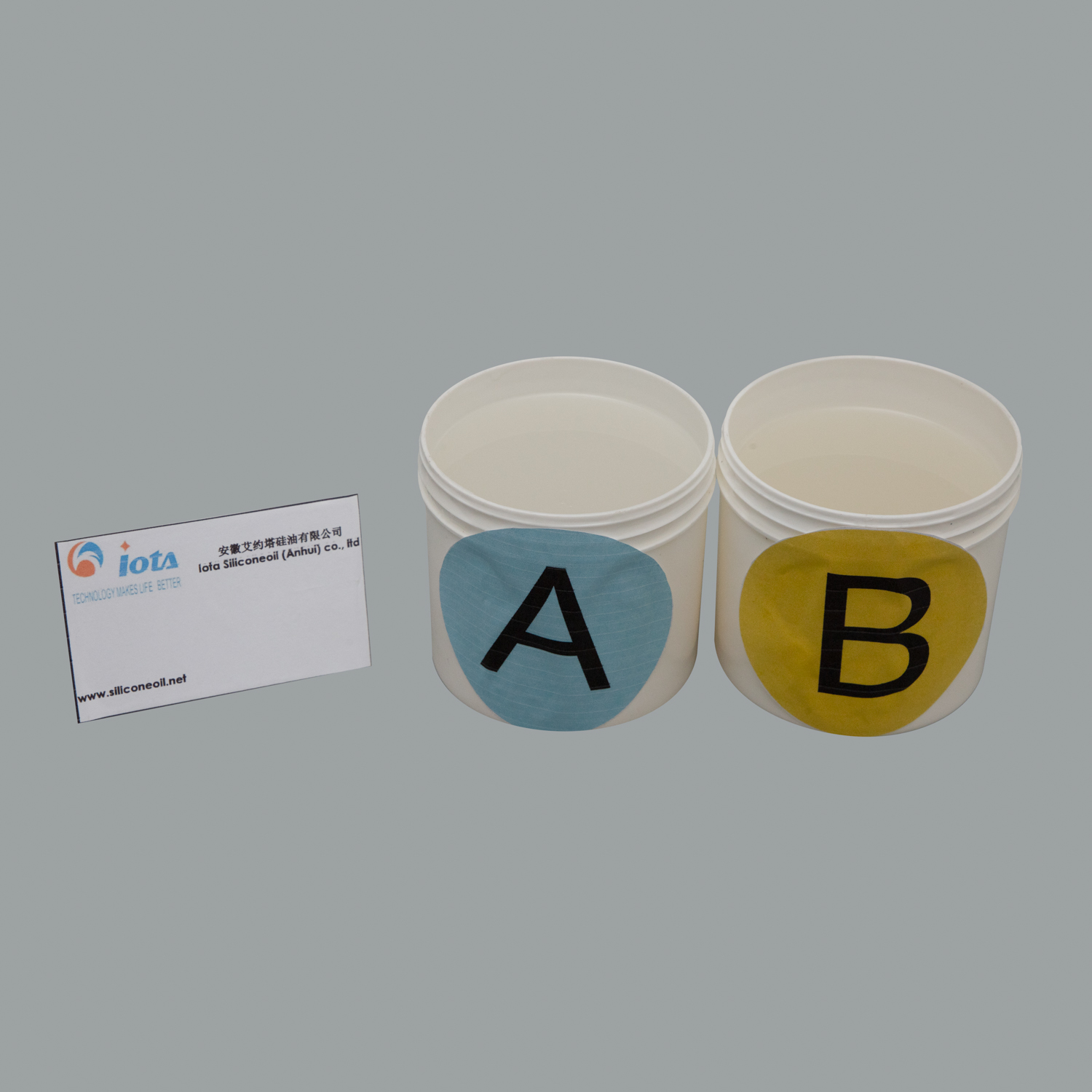
In the field of fire prevention and protection, the performance of fire-resistant fabric is directly linked to the effectiveness of safety guarantees, and a high-quality specialized silicone is the key to enhancing the capabilities of fire-resistant fabric. Recently, the high-strength fire-resistant fabric-specific addition-cure silicone, models IOTA M20-50/M30-50, has officially been launched. With outstanding properties such as excellent fire resistance and strong adhesion, it injects new impetus into the upgrading of fire-resistant and protective materials.
The most striking advantage of this silicone lies in its dual protective capabilities: "high strength + flame retardancy". For fire-resistant fabric, it not only needs to resist the attack of flames but also maintain structural stability in high-temperature environments without easily breaking. This silicone boasts excellent flame-retardant performance; when exposed to open flames, it can effectively slow down the spread of combustion, buying precious time for escape and rescue. At the same time, it has exceptional strength—the coating formed after curing can firmly "lock" the structure of the fire-resistant fabric. Even when subjected to external pulling or impact, it is not prone to tearing or damage, ensuring that the fire-resistant fabric can reliably perform its protective function at critical moments.
Its excellent adhesion to glass fiber cloth solves a major pain point in the industry. Glass fiber cloth is a commonly used base material for fire-resistant fabric. If the silicone fails to bond tightly with the glass fiber cloth, delamination and peeling are likely to occur, directly affecting the fire protection effect. However, this silicone can adhere closely to glass fiber cloth, as if they are "grown together". No gaps will form even after repeated folding or high-temperature baking, ensuring the overall protective performance of the fire-resistant fabric from the source and allowing every inch of the fabric to exert its fire-resistant effect.
Convenient and efficient operation is another major highlight of this product. It has excellent thixotropy—simply put, it can maintain a stable shape and prevent flowing when at rest, but during scraping or dipping operations, it can flow smoothly and cover the surface of the base material evenly. This property makes it easier for workers to operate: it not only enables precise control of the coating thickness but also avoids material waste, significantly improving production efficiency. Whether it is large-scale mass production of fire-resistant fabric or small-scale processing of special specifications, the operation can be completed efficiently.
In terms of technical parameters, the two models each have their own advantages: the tensile strength of M20-50 reaches 5.5MPa, and that of M30-50 is even higher at 6.5MPa, meaning both can withstand large tensile forces and offer full durability. Both have an elongation rate of 250%, allowing them to rebound quickly without deformation even when stretched by external forces. Their tear strength is 16KN/m, demonstrating excellent resistance to breakage. Beyond fire-resistant fabric, they are also suitable for other scraping and dipping products, providing reliable support for more protective scenarios and serving as a "capable assistant" in the field of safety protection.