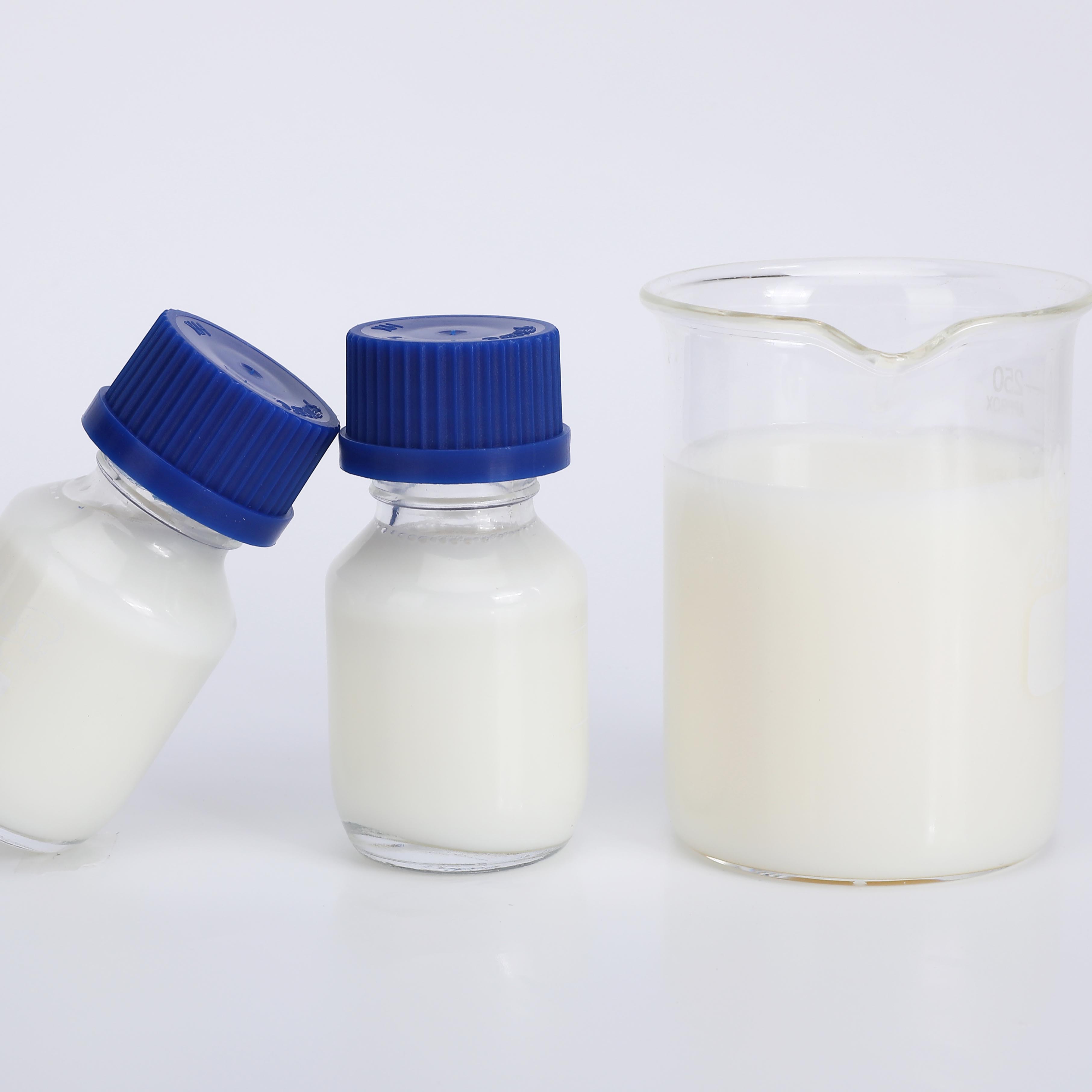
For kitchenware manufacturers, improving production efficiency while ensuring quality has long been a persistent challenge. Recently, the launch of a food-grade two-component liquid silicone rubber specifically designed for kitchenware has offered a new solution to this industry-wide problem, thanks to its manufacturing advantages of being "fast, stable, and precise".
The "fast" advantage lies in its curing speed. This silicone rubber features rapid thermal curing properties, which significantly shortens the molding time compared to traditional materials. Manufacturers no longer need to wait for extended periods for the material to cure, allowing them to move on to the next production process more quickly. This effectively reduces time waste in production links, markedly enhances overall production efficiency, helps enterprises deliver orders faster, and strengthens their market competitiveness.
The "stable" advantage is reflected in the stability of its performance and operation. The viscosities of its Component A and Component B are precisely controlled, and after mixing, the material maintains stable fluidity and uniformity—avoiding product quality issues caused by uneven material distribution. Meanwhile, the 1:1 mixing ratio design eliminates the need for operators to repeatedly adjust the proportion, reducing the rate of operational errors. This ensures consistent quality across every batch of products and minimizes the production of defective items.
The "precise" advantage means it can accurately meet various production needs. Whether for simple kitchenware accessories or complex injection-molded products with intricate structures, it can precisely comply with the production standards of different products by adjusting hardness and optimizing molding effects. For example, when manufacturing kitchenware parts with complex structures, its excellent fluidity enables the material to fully fill the gaps of the mold, ensuring complete product details and increasing the qualification rate of finished products.
In addition, its convenient storage also provides a guarantee for production. When stored in unopened barrels at temperatures below 23°C, its shelf life can last up to 12 months. Even if it exceeds the shelf life, it can still be used after passing performance tests—effectively reducing material waste. The emergence of this silicone rubber not only helps kitchenware manufacturing enterprises reduce costs and increase efficiency but also drives the industry toward a more efficient and high-quality development direction.