Hits: 595 img
Industry Trends
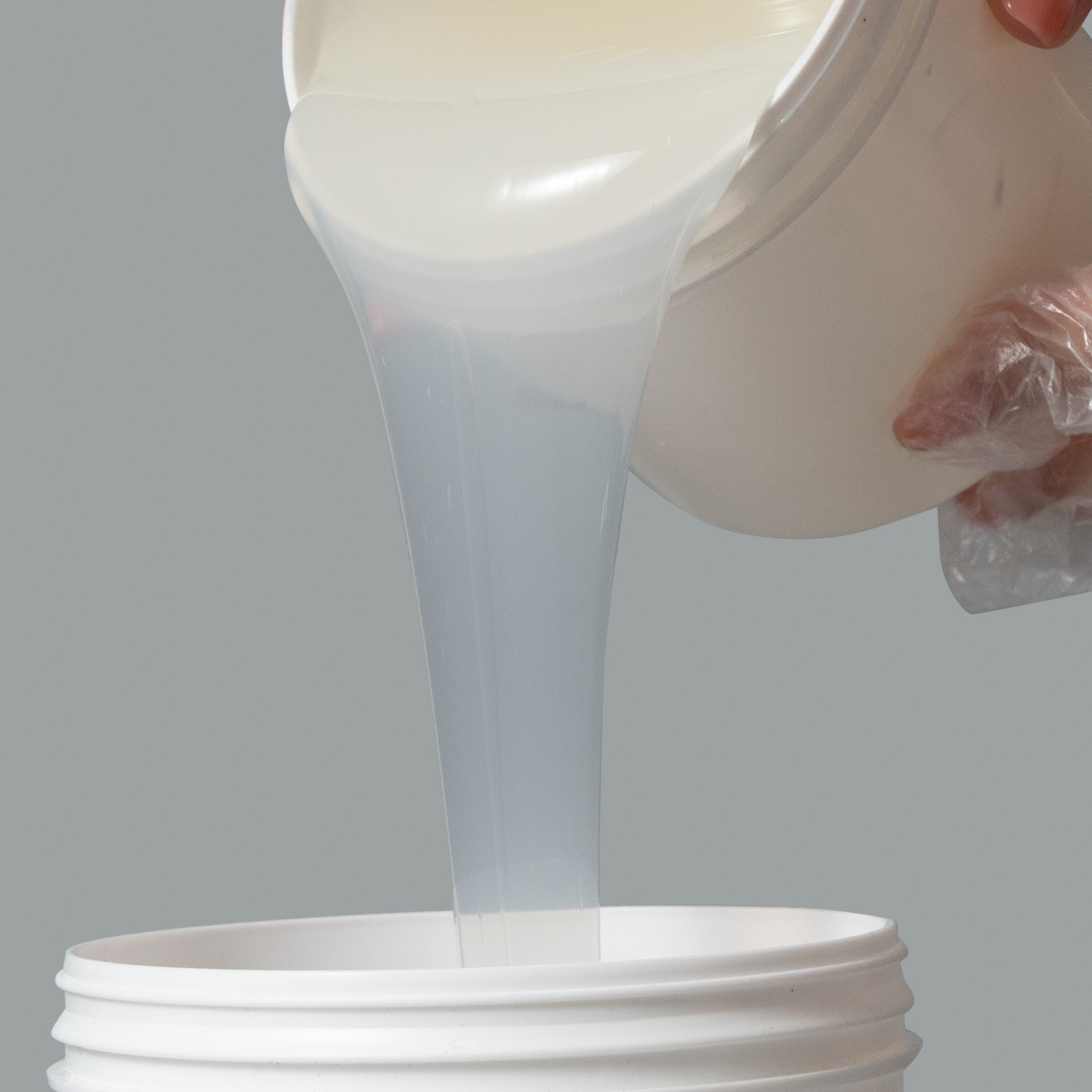
In the fields of infant products and food-grade sealing, a breakthrough material is capturing industry attention—a company's latest IOTA LSR 3040 series liquid silicone rubber. With its secondary vulcanization-free process and exceptional clamping force performance, it offers manufacturers a more efficient and safer solution.
Key Highlights Analysis
The material features a two-component 1:1 mixing design, eliminating the need for traditional secondary vulcanization and significantly shortening the production cycle. For example, with high-temperature curing at 130°C, molding is completed in just 90 seconds, improving efficiency by over 80% compared to traditional processes. Its mechanical properties are particularly outstanding: tensile strength reaches 9 MPa, elongation rate is as high as 580%, and it can withstand repeated deformation without breaking, making it perfectly suited for dynamic sealing scenarios.
Safety Certifications as a Safeguard
The product has obtained multiple international certifications, including BfR, FDA, and ROHS, with VOC emissions below 0.5%, meeting the stringent standards for infant products and food-contact materials. Experimental data show that with a thickness of 2 mm, high-temperature curing at 150°C requires only 45 seconds, and the post-curing density remains stable at 1.11 g/cm³, ensuring no deformation risks during long-term use.
Expansion of Application Scenarios
Currently, the material has been successfully applied in areas such as baby nipples, food-grade sealing rings, and medical catheters. Tests by a well-known maternal and infant brand indicate that nipples produced with this material have an extended temperature resistance range from -40°C to 230°C and maintain structural integrity even after 100,000 folding tests.
Expert Reminder
Technical personnel specifically point out that due to the platinum catalyst content, strict measures must be taken to avoid light exposure and moisture during operation. It is recommended to use dedicated mixing equipment to ensure component uniformity. The first batch of mass-produced products has passed third-party aging tests and is expected to be fully launched into the market this quarter.