Hits: 584 img
【Industry Insights】
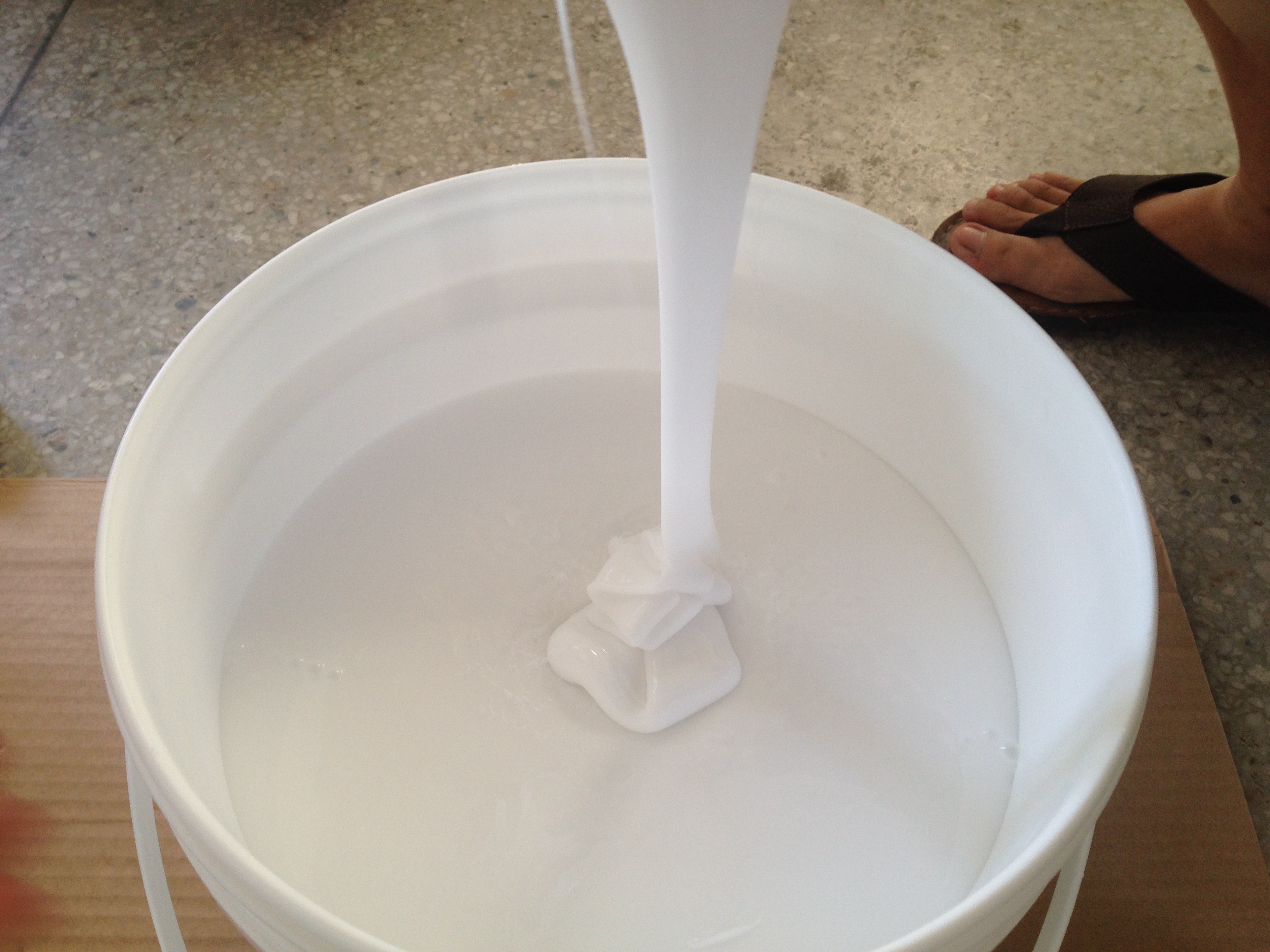
In the realm of smart manufacturing, a liquid foam silicone that combines environmental sustainability with high performance has recently garnered significant attention. Developed and launched by a leading enterprise, this product offers rapid curing, low-density foaming, and versatile adaptability, presenting an innovative solution for the manufacturing sector.
【Key Highlights】
This material employs a dual-component 1:1 mixing process, enabling rapid foaming and curing at room temperature. Experimental data show that foaming initiates within 5 minutes after mixing, with complete curing achieved in 20–30 minutes, significantly boosting efficiency compared to traditional methods. The cured product boasts a density of only 200–500 kg/m³ and a foaming expansion ratio of 2–6 times, effortlessly filling complex structural gaps.
【Safety and Environmental Advantages】
The product has obtained FDA food-contact certification, is free from heavy metals and harmful substances, and produces no dripping during combustion, meeting stringent flame-retardant safety requirements. In tests conducted on electronic products, the material showed no deformation after 24 hours of continuous operation at 150°C, with a compression set rate of less than 5%.
【Expanding Application Scenarios】
Currently, the material is widely used in shock absorption, cushioning, and precision filling applications. An automotive manufacturer reported that the shock-absorbing panels produced with this material maintained elasticity under temperature variations ranging from -40°C to 120°C, effectively reducing component wear rates. Additionally, its low-density properties make it an ideal choice for lightweight design.
【Operational Tips】
Technical experts recommend thorough and uniform mixing during preparation, avoiding contact with metals such as tin and phosphorus, which could compromise performance. Laboratory data indicate that for every 10% increase in mixing uniformity, the product qualification rate rises by 2.3 percentage points. The first batch of mass-produced products has passed third-party aging tests and is expected to be fully launched into the market this quarter.