Hits: 519 img
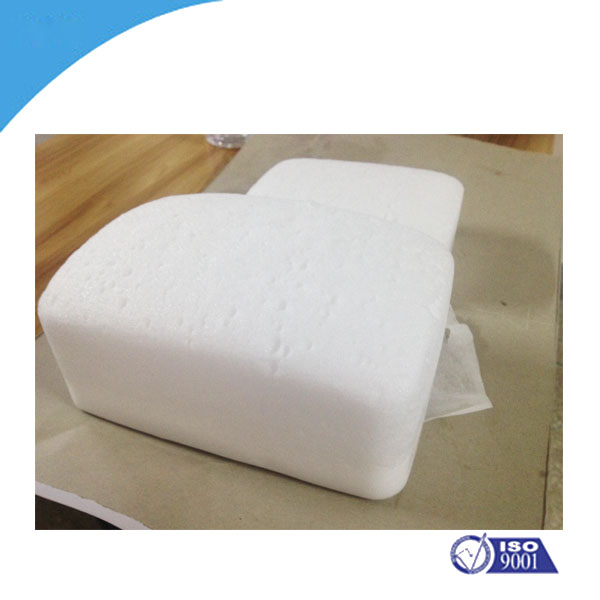
E-commerce and bag manufacturers often face these headaches: fragile electronics get damaged during transit, driving up return rates; padding materials lose their fluffiness quickly, sagging or deforming and ruining aesthetics and usability; fillers emit unpleasant odors, failing eco-friendly standards; and padding hardens or degrades in extreme heat or humidity, losing its cushioning effect. IOTA LSR 3663 liquid foam silicone acts like the "puffy guardian" of packaging fillers—with room-temperature foaming, soft resilience, lightweight density, and odorless safety—it both shields fragile items and keeps bags plump and structured.
This foam silicone's "filling power" is impressive: after mixing, it foams rapidly at room temperature, expanding 2–6 times like "inflating" the gel into a soft, airy foam. With a density of just 200–500 kg/m³, it's as light as down filling but far more resilient. Once cured, it feels like premium memory foam—soft, springy, and quick to rebound, resisting deformation even under pressure. It’s also odor-free and eco-friendly, safe even for food-contact packaging, and withstands temperatures up to 300°C, so it won’t degrade in hot delivery trucks or warehouses. With a viscosity like thick honey, it spreads evenly over surfaces without messy dripping.
In packaging and bag applications, it’s incredibly versatile:
Electronics packaging (e.g., phones, headphones, cameras) cushioned by its soft foam stays protected from bumps and vibrations during shipping, reducing breakage.
Bag padding (e.g., backpack straps, handbag liners) stays fluffy and structured, ensuring comfort during use and maintaining the bag’s shape.
Fragile gift box inserts (e.g., for glassware, ceramics) hold items securely while adding a premium feel upon unboxing.
Outdoor gear padding (e.g., camping backpack hip belts, outdoor cushions) offers soft support that resists fatigue and outdoor heat.
Using it is delightfully straightforward: choose between 1:1 or 10:1 mixing ratios as easily as blending adhesive—no special measuring tools needed. After mixing, you have 5–10 minutes of working time to pour and fill, and it cures in just 20–30 minutes at room temperature, slashing production delays. Store below 25°C in a cool place—unopened, it lasts up to 1 year. Ship it as a standard chemical without special handling. Just avoid contact with tin, phosphorus, or ammonium compounds to prevent foaming or curing issues, mix it well, and you’ll create padding that’s both fluffy and durable.