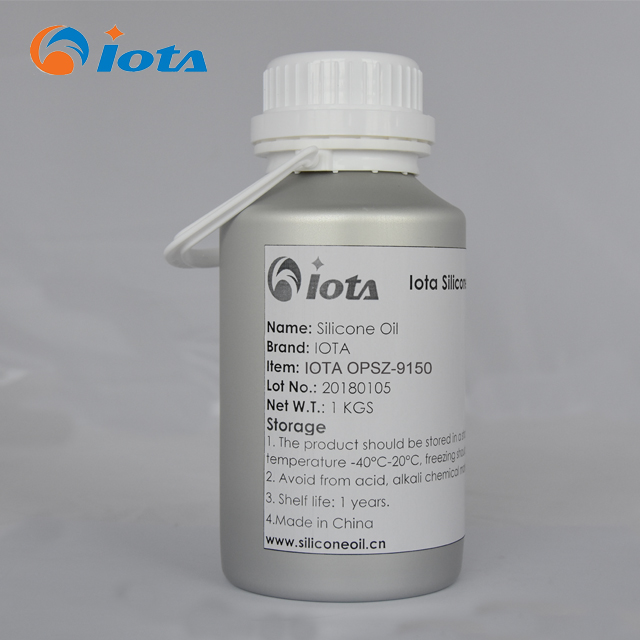
In daily life and industrial production, the issues of surface stains and rainwater erosion have always troubled people. Scenarios such as car bodies covered in watermarks after rain, long-term dust accumulation on glass surfaces, and graffiti pollution on public facilities are all too common. Today, a new organic polysilazane coating material, with its "hydrophobic and anti-stain" magical properties, has emerged, providing an "invisible umbrella" for various surfaces and making cleaning and maintenance easy and efficient.
The core magic of this material lies in its superhydrophobic properties. After curing, the coating's contact angle reaches 100°-105°, much like the surface of a lotus leaf in nature. Water droplets instantly form into beads and roll off naturally, leaving no water stains behind. This "lotus effect" allows rainwater to wash away dust, mud, and other stains while flowing over the surface, significantly reducing the frequency of cleaning. Experiments show that cars coated with this material only require simple wiping to restore cleanliness after driving in the rain. Even glass surfaces exposed to the elements for extended periods remain clear and transparent.
Its anti-stain capability is equally impressive. It forms a dense protective film on surfaces, making it difficult for various stains to penetrate or adhere. Whether it's marker graffiti, oil residue, or everyday dust, they can all be easily wiped away. This makes it particularly suitable for protecting walls and furniture in public places like schools and shopping malls. In the automotive paint field, it not only enhances the brightness of the car body but also provides excellent scratch resistance, reducing the frequency of car washes while keeping the vehicle looking new for longer.
Ease of application is another major advantage. The material itself has extremely low viscosity (only 10-40cp), making it as easy to handle as a thin solution. Whether sprayed, brushed, dipped, or simply wiped, it can evenly cover the surface. More importantly, it has strong compatibility and can tightly bond with various substrates such as metal, glass, plastic, ceramic, and paint films. Through special molecular reactions, it forms a hard connection, achieving a level 0 adhesion rating in cross-cut tests, solving the problem of traditional coatings being prone to peeling and falling off.
The flexibility of curing methods further expands its application range. It can either be cured naturally at room temperature, with the surface drying in 30-50 minutes and fully curing in 24 hours. If rapid use is needed, the heating curing mode significantly speeds up the process. Baking at 120-180°C for 2-6 hours completes the curing, and even at 200-250°C, it only takes 10-20 minutes to cure, meeting the production pace needs of different scenarios. After curing, the coating hardness can reach up to 7H, making it resistant to scratches from daily friction and far more durable than ordinary protective coatings.
From car bodies and architectural glass to furniture and appliances, from industrial equipment to public facilities, this magical coating, with its properties of repelling rainwater and resisting stains, is providing efficient protective solutions for various industries. It not only reduces cleaning and maintenance costs but also extends the service life of objects, truly giving them a "built-in umbrella" and keeping them clean and new at all times.