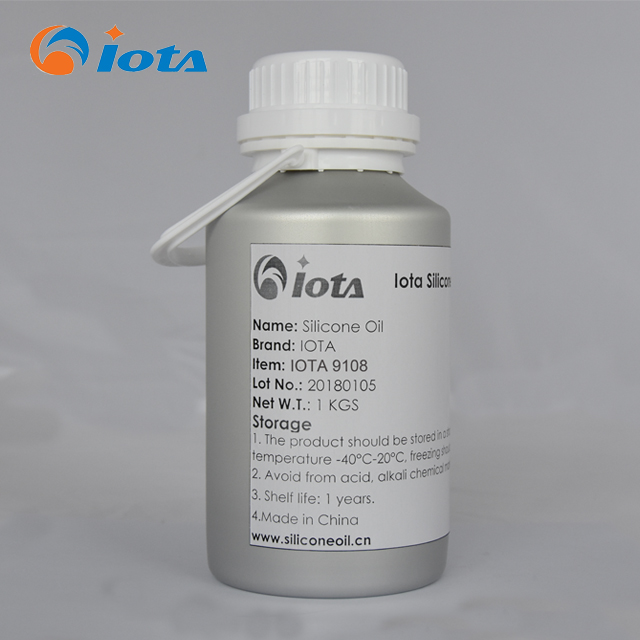
In high-temperature environments, ordinary coatings either melt and deform or lose their protective effect. However, the IOTA 9108 organopolysilazane coating, relying on its ultra-strong high-temperature resistance, can work stably even in extreme temperatures of 600°C or even 1600°C. It also has advantages such as corrosion resistance and easy cleaning, making it a "reliable protective shield" for high-temperature scenarios.
Its high-temperature resistance is truly "stunning": the clear varnish coating can be used for a long time in environments below 600°C. When matched with a main coating of a specific formula, it can even withstand high temperatures below 1600°C—even when exposed to the baking of industrial furnaces and high-temperature equipment, it will not be easily damaged. What’s more special is that after curing, it can be converted into ceramics through high-temperature pyrolysis: the ceramization rate reaches 60%-70% at 800°C, and it starts to crystallize at temperatures above 1400°C, turning into a hard ceramic layer. This further enhances its protective performance, making it particularly suitable for scenarios requiring long-term high-temperature resistance, such as coatings for high-temperature pipelines and inner wall protection of industrial kilns.
Beyond high-temperature resistance, its comprehensive protective performance is also excellent. After curing, its hardness reaches 6H (based on the Chinese pencil hardness standard), so daily scratches hardly leave marks. It has strong oxidation and corrosion resistance, which can block the penetration of gases such as oxygen and water—when metal and alloy are coated with it, they are less likely to rust or corrode. With a water contact angle of 100°-105°, water droplets roll off directly from the coating surface without easily adhering to dirt; a simple wipe is enough to restore cleanliness during cleaning.
The construction process is also very flexible. With a viscosity of only 10-40 cp (as thin as water), it can be evenly applied to the surfaces of various substrates such as metal, glass, and plastic through brushing, dipping, spraying, or wiping. The curing methods are even more diverse: it can be cured by heating (80°C-200°C, with temperature adjusted based on whether a catalyst is added) or by ultraviolet (UV) light, meeting the construction schedule requirements of different scenarios.
Whether it is for high-temperature equipment protection, high-temperature-resistant coatings for glass, or the production of non-combustible composite materials, this coating—capable of withstanding "the test of intense heat"—is up to the task, providing solid protective guarantees for high-temperature scenarios.