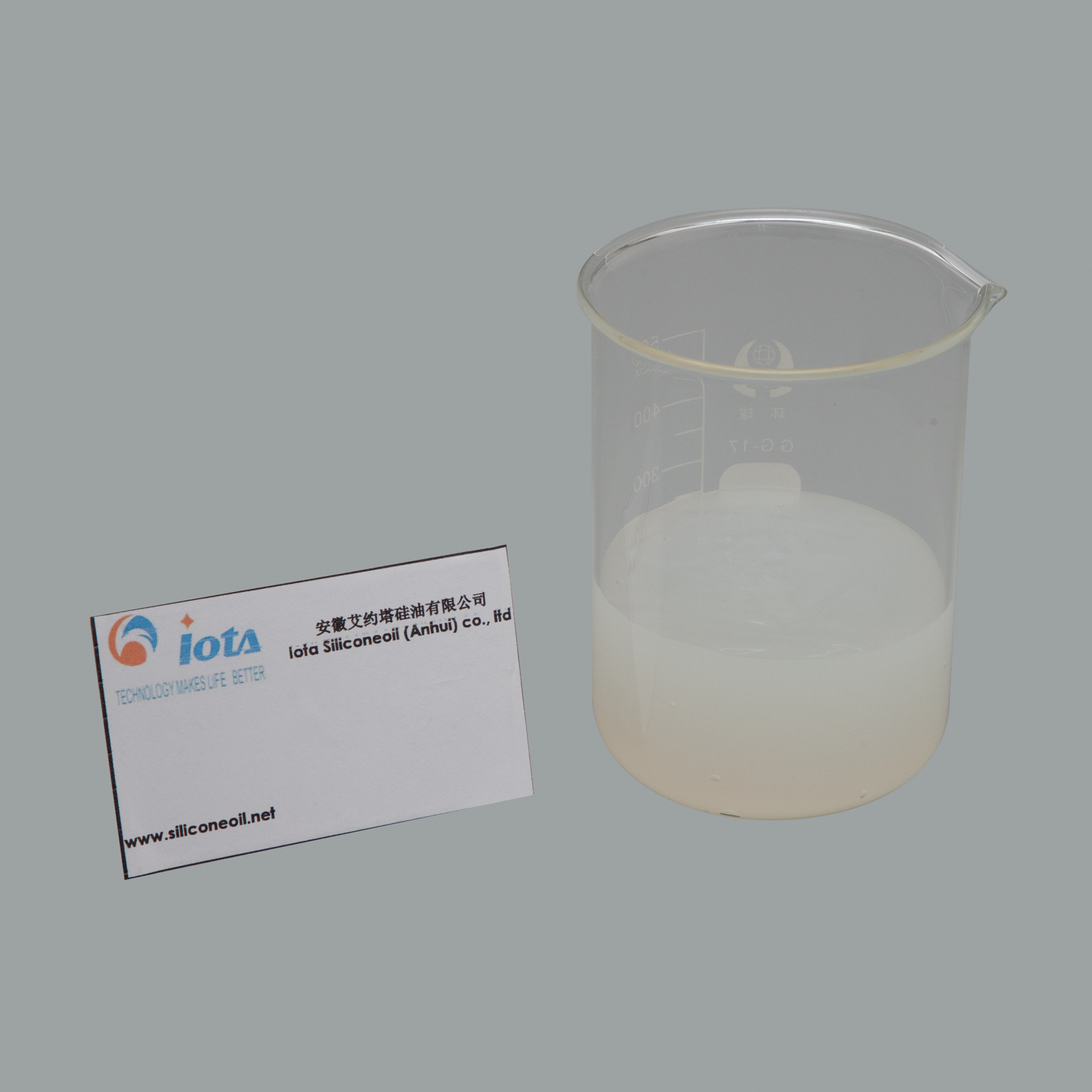
For enterprises engaged in dough mat production, choosing the right material is crucial. The material must not only meet food contact safety standards but also balance processing convenience and product durability. The IOTA M20-306L addition-cure silicone rubber specially designed for dough mats just meets these three major needs, becoming a "high-quality partner" for dough mat production.
One of its core advantages is its "food-grade property". It fully complies with the safety requirements for food contact materials, so the dough mats produced can be in direct contact with various food ingredients without worrying about potential safety hazards. This lays a solid foundation for enterprises to enter the food contact product market. Whether it is small-sized dough mats for household users or large-sized ones for catering institutions, using this material to produce them allows consumers to choose with confidence.
In terms of processing convenience, it also saves enterprises a lot of trouble. Component A is a transparent liquid, and Component B is a translucent or slightly yellow liquid. The two can be used by mixing them in a weight ratio of A:B = 2:100. The mixing process is simple and does not require complex technical operations, so even new workers can master it quickly. The mixed material has a viscosity of 60000 mPa·s and moderate fluidity. It can not only evenly cover the substrate surface through doctor blading to create a flat dough mat surface but also be used for processing other products through dip coating. It is compatible with various production processes, allowing enterprises to flexibly adjust the processing method according to their own production lines.
More importantly, it can endow products with excellent durability, helping enterprises improve their product reputation. The cured material has a hardness of Shore A 40, making the dough mat have sufficient support while not losing flexibility, so it is not easy to deform or break during use. With a tensile strength of ≥6 MPa and a tear strength of ≥10 kN/m, it ensures that the dough mat can withstand pulling, rolling, and friction in daily use, reducing after-sales problems caused by easy damage of products and lowering the after-sales costs of enterprises. At the same time, it has good adhesion to the substrate, which can reduce the defective rate caused by coating peeling and wrinkling during the production process and improve production efficiency.
If enterprises need to enrich the product appearance, they only need to add an appropriate amount of pigment to Component B, stir it evenly, and then mix it with Component A. In this way, they can produce dough mats of different colors to meet consumers' diverse needs for product appearance. However, it should be noted that it is a platinum-catalyzed product, so strict precautions must be taken to avoid catalyst poisoning during the production process, which would affect the product curing effect. The material should be stored in an environment below 23°C, with a shelf life of 12 months if unopened. After the expiration date, it can only be used again after passing performance testing.
This silicone rubber, which integrates safety, easy processing, and durability, provides an efficient and reliable material solution for dough mat manufacturers, helping them create products that are more popular in the market.