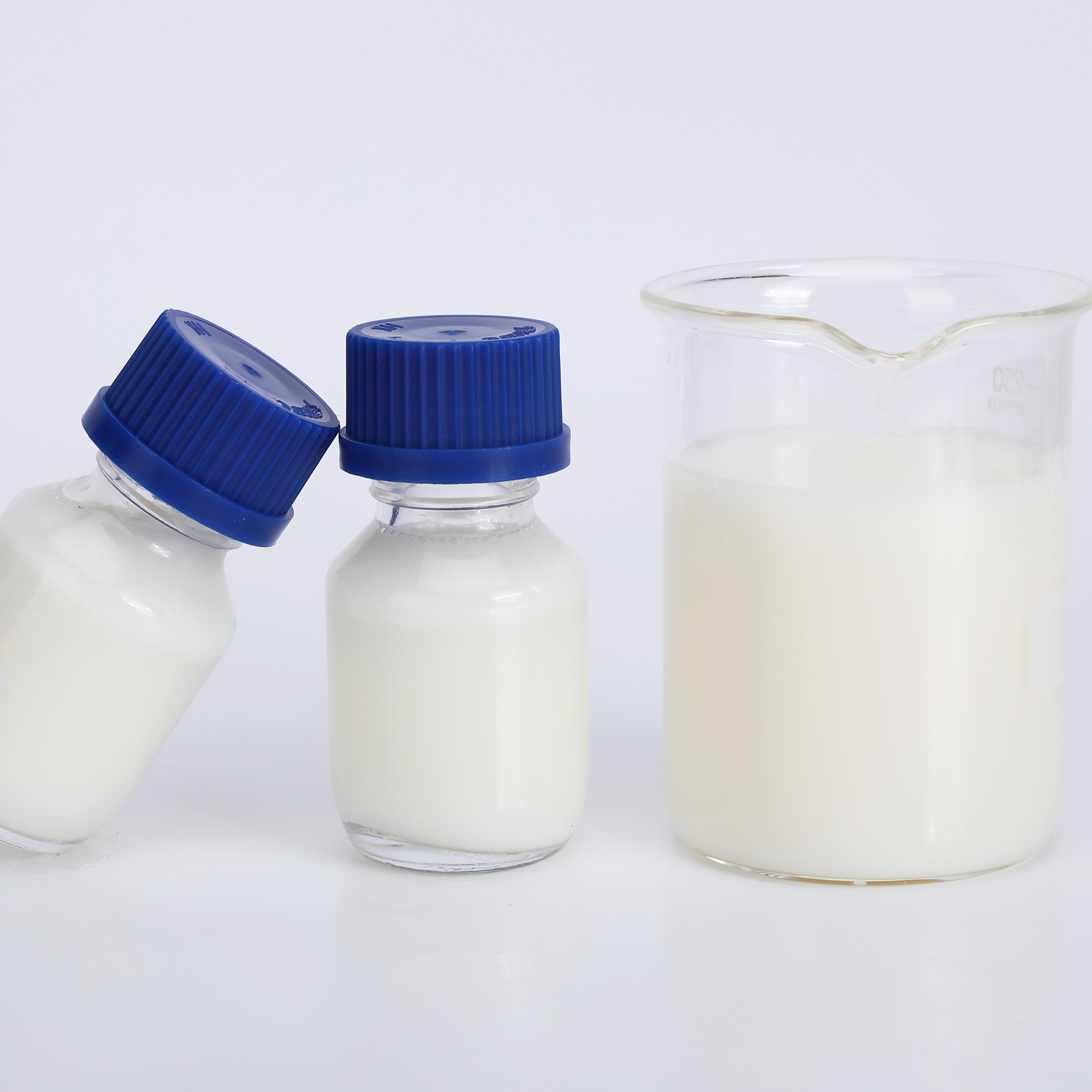
As fire safety gains increasing attention, the quality requirements for protective materials such as fire-resistant fabric are constantly rising. The emergence of the high-strength fire-resistant fabric-specific addition-cure silicone IOTA M20-50/M30-50, with its all-round outstanding performance, has become a "secret weapon" for enhancing the capabilities of fire-resistant materials and quickly made a name for itself in the protection field.
The core competitiveness of this silicone lies in its excellent flame-retardant performance and high-strength characteristics. When a fire breaks out, fire-resistant fabric serves as an important barrier to stop the spread of flames, and this silicone can "strengthen" the fire-resistant fabric—it is not easy to burn itself, and when exposed to high-temperature flames, it can form a stable protective layer, effectively isolating heat and flames and preventing the fire-resistant fabric from being damaged quickly. At the same time, its high strength enables the fire-resistant fabric to maintain a complete structure even in high-temperature environments, without being easily burned through or torn, building a stronger safety defense line for personnel evacuation and property protection.
Its good adhesion to glass fiber cloth gives it an edge in the production process. Glass fiber cloth is lightweight yet high-strength, making it an ideal base material for manufacturing fire-resistant fabric. However, ordinary silicones often struggle to bond tightly with it, leading to coating peeling of the fire-resistant fabric during use. In contrast, this silicone can adhere firmly to the surface of glass fiber cloth. Whether using scraping or dipping processes, it can form an even and solid coating, ensuring the stable overall performance of the fire-resistant fabric and avoiding protective gaps caused by local coating peeling.
The convenience of operation has made it highly favored by manufacturing enterprises. It has excellent thixotropy, which brings two major benefits: first, during processing, the material is not prone to random flow, allowing workers to precisely control the range and thickness of the coating—this is especially suitable for processing products with complex shapes; second, it has a good forming effect, with a smooth and flat coating surface free of bubbles, wrinkles, and other defects, reducing the rejection rate. Moreover, it has a mixing ratio of A:B = 1:1, which is simple and easy to master, requiring no complex proportion adjustment. This greatly reduces production difficulty and improves processing efficiency.
In terms of technical parameters, the two models M20-50 and M30-50 can meet different needs: M30-50 has higher tensile strength, making it suitable for fire protection scenarios with higher requirements for structural strength. Both have a Shore hardness of 50 degrees, offering a moderate feel that balances protection and flexibility in use. They perform consistently in terms of elongation rate and tear strength, ensuring the durability of the material. Beyond fire-resistant fabric, they can also be used in other scraping and dipping products, providing high-quality solutions for safety protection in more fields and making protection more reassuring and reliable.