In the production of high-strength fire-resistant fabrics, "solvent residue" not only undermines environmental friendliness but also may reduce the adhesion of the adhesive layer, becoming a major headache for many manufacturers. Recently, a new type of solvent-free coating addition-cure silicone rubber has made its debut. With the threefold advantages of "zero-solvent environmental protection, strong adhesion, and easy operation", it has quickly become a "new focal point" in the fire-resistant fabric material market, bringing a greener production solution to the industry.
Its core highlight lies in "solvent-free coating". No volatile solvents need to be added during the production process, which fundamentally avoids air pollution caused by solvent evaporation and reduces impacts on the health of operators—fully aligning with the current trend of eco-friendly production. At the same time, without solvent residue, the adhesive layer bonds more tightly with the glass fiber fabric, leaving no gaps due to solvent evaporation. This greatly enhances the structural stability of the fire-resistant fabric; even when exposed to humid or high-temperature environments for a long time, the adhesive layer is less likely to crack.
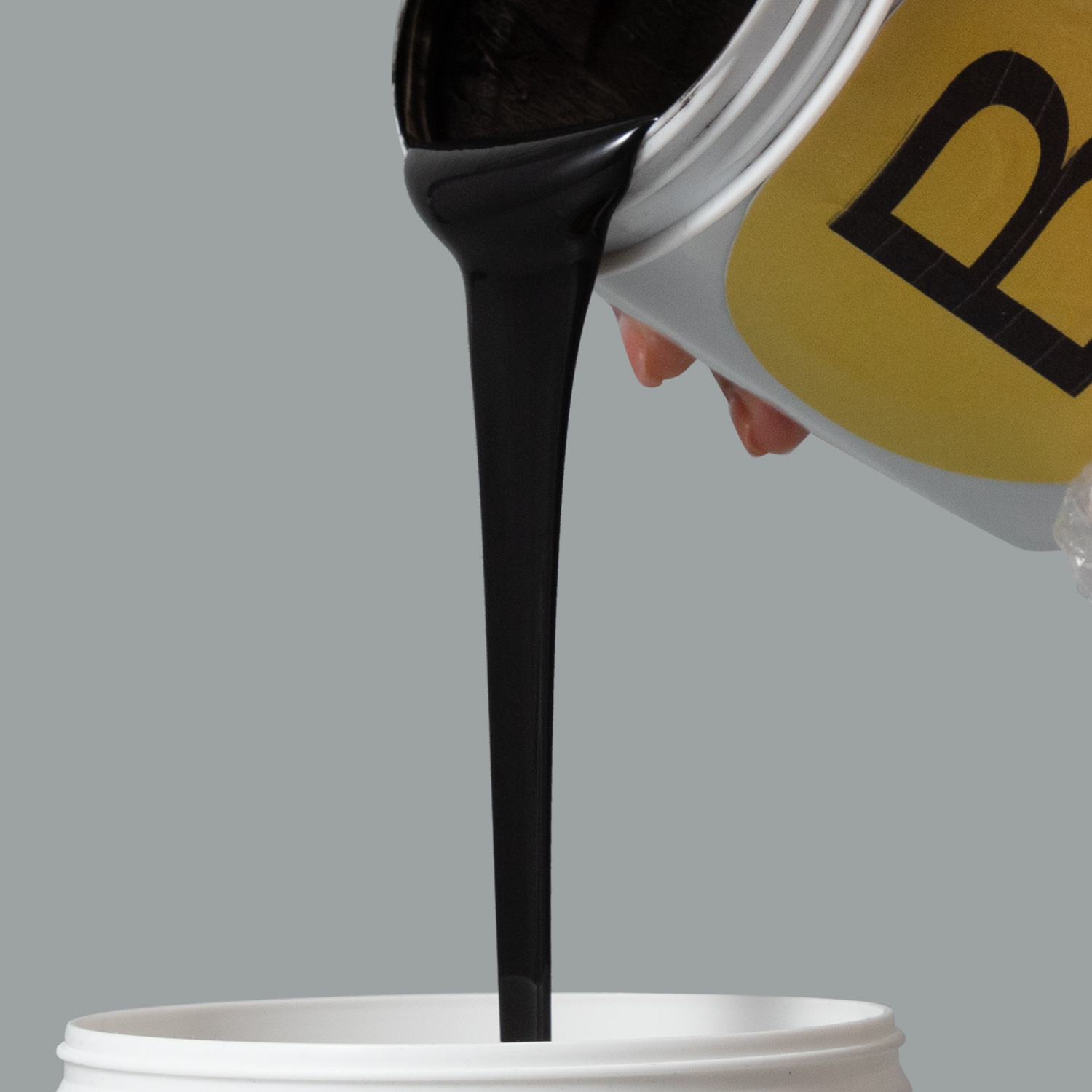
The excellent fluidity brought by its low viscosity is also worthy of praise. After stirring at 23°C, the viscosity of Component A is only 10 mPa·s, equivalent to the smoothness of clean water. It can quickly penetrate and cover the surface of the glass fiber fabric, easily filling tiny gaps. This property improves efficiency during blade coating and dip coating—uniform coverage can be achieved without repeated application. It not only saves materials but also reduces time loss in the production process, helping manufacturers increase productivity.
Its strong adhesion to glass fiber fabric further "protects" the fire-resistant fabric. After curing, it adheres firmly to the glass fiber fabric, with a tear strength of 13 kN/m. Even under pulling and friction during daily use, the adhesive layer is not easy to peel off. For example, in fire-resistant rolling shutters used in industrial plants, the fire-resistant fabric can maintain a complete structure even after frequent retraction and extension, ensuring that the fire-resistant effect remains uncompromised at critical moments.
Currently, this silicone rubber has been widely used in the production of special adhesives for fire-resistant fabrics and is also compatible with other blade-coating and dip-coating products. Its emergence not only solves the environmental pain points of traditional solvent-based coating adhesive materials but also ensures product performance, truly achieving a "win-win situation for environmental protection and quality".